Slab foundation building in Santa Maria CA - a solid base for whatever you build on it
Planning a garage, shop, addition or ADU and need a slab under it? We prep the ground, pour it and cure it right.
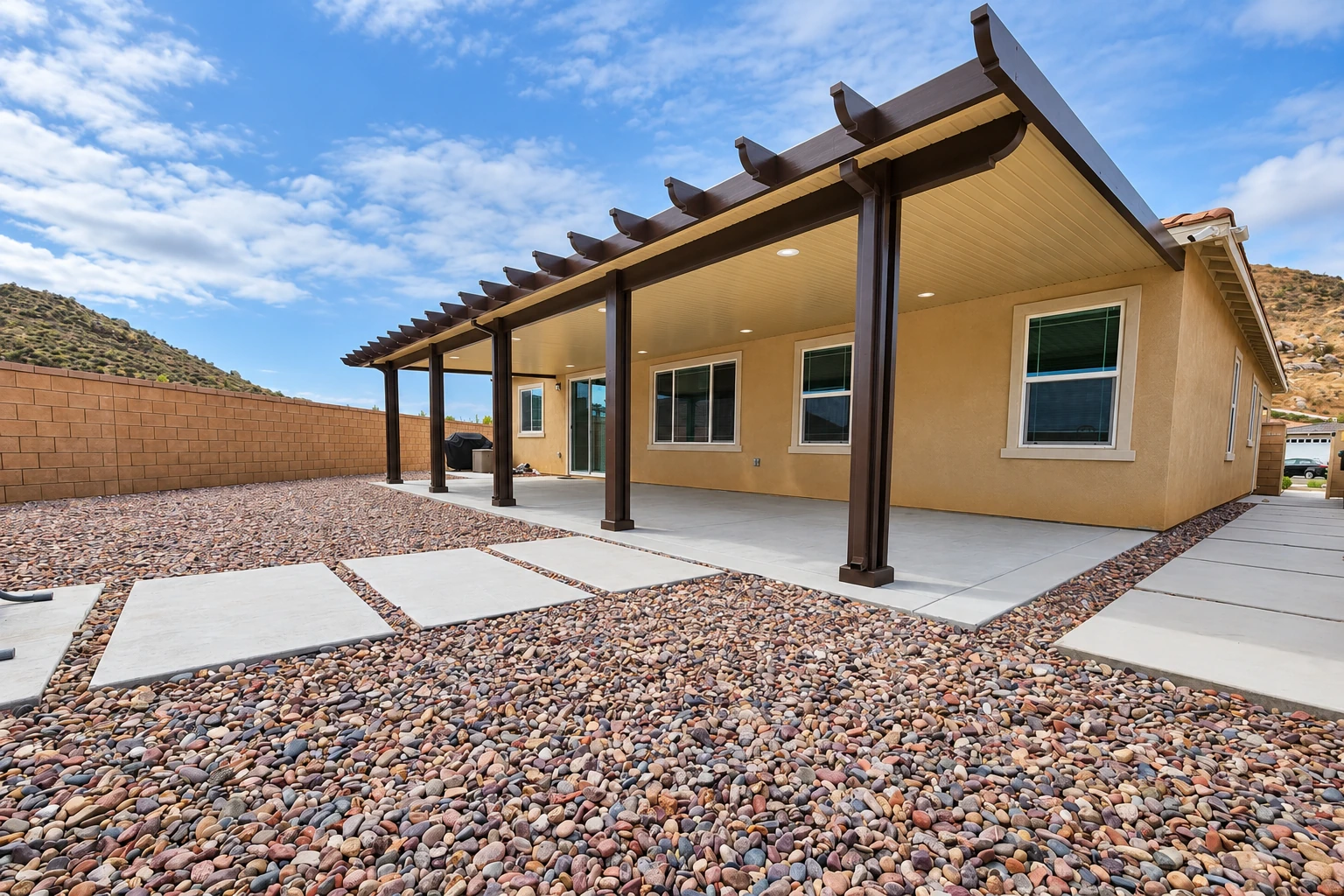
Slab foundation building in Santa Maria, CA, starts long before the concrete truck shows up. We clear and grade the lot, pack the ground firm, then form, pour and finish the pad your garage, shop, addition or ADU will sit on. When a slab cracks or sinks later, it's usually because someone raked the dirt level instead of digging it out and packing it, the same mistake that sinks a badly built concrete parking lot.
Your price moves with the slab's size and thickness, how much dirt has to come out, the steel the plans call for and how easily a truck gets in. The schedule turns on permits, inspections and curing. If money's tight, I'd trim the finish before the base, because the base holds the building up. The written estimate lists each part line by line.
How we build a slab foundation
- Strip to firm ground. We strip the topsoil and roots off first so nothing rots under the slab, then grade and pack the subgrade, the dirt the slab sits on, until it's firm.
- A barrier with no holes. Before the pour we walk the moisture barrier, the sheet that keeps ground damp out of your floors, and patch any tears or open seams we find.
- I look, our crew pours. I come out to look at every job myself, and our own crew sets the forms and the rebar, the steel that ties the slab together, then pours and finishes it.
- Licensed and insured for this work. We're licensed and insured. California's contractor license board keeps its own concrete class for work that forms, pours, places and finishes slabs and other flat concrete.
- In business since 2017. I learned concrete on another finisher's crew before starting this business in 2017, and I'm still the one who picks up when you call.
What goes wrong under a slab
| Problem | What it looks like | Usual fix |
|---|---|---|
| Soft or loose base | What it looks like: One edge sinks and cracks run out from the low spot | Usual fix: Dig to firm soil and pack the base hard |
| Water running toward the house | What it looks like: Puddles against the wall, damp floors and a musty smell inside | Usual fix: Grade the pad so water runs away |
| Moisture coming up through | What it looks like: Flooring lifts, glue lets go, mold shows under rugs or cabinets | Usual fix: A sealed, patched moisture barrier under the new pour |
| Weak, dusty top | What it looks like: The surface powders and chips when you sweep or roll carts | Usual fix: Pour in cooler hours and keep it damp while curing |
Picking the right slab for your build
- Standard slab on grade. This suits a garage, shop, shed or small addition on firm, fairly level ground, where the slab and its thickened edges carry the building.
- Slab with deeper footings. When the plans, the soil or a slope call for more support, the slab ties into footings or a stem wall, which is our foundation installation work.
- Upgraded moisture barrier. One barrier maker's guide says the choice comes down to contaminants in the soil. On a clean site, its standard barrier is the baseline for homes, and an EVOH barrier is for contaminated ground.
How your slab job runs
- You reach out. Call or send the form, and we get back to you to set a time for me to come see the site.
- I walk the site. I measure, look at the ground and check how a truck gets in, because the soil and the access shape how we prep and pour.
- Written estimate. You get a written estimate that lists each part of the job, so you can see what's included and compare ground prep against other bids.
- Permits and forms. Once you say go, we handle any permit application with the city or county and set up inspections, then set the forms and look them over with you.
- Pour, finish, cure. Our crew pours and finishes the slab, then keeps it curing before framing or anything heavy goes on it, and we clean up the site.
Keeping your slab sound after we leave
Most of what keeps a slab sound is done before the pour, so afterward it's mostly about water. Keep gutters and downspouts draining away from the edges, and fill any low spot that holds water next to the building, because water working under a slab softens the ground it sits on.
We work for homeowners and small property owners in Santa Maria and the cities around it, from Arroyo Grande down to Lompoc. If you've got a slab coming up, send us the details or call (805) 268-7763 for an estimate.
Tell us about your slab
Send the site address, the slab size you're planning and what's going on it. We reply within one business day to set a time for me to come out.
(805) 268-7763- Free estimate at your property
- Written out line by line
- No obligation to book
Questions about slab foundations
How much does a concrete slab foundation cost in California?
Installing a standard 4-inch slab in California usually costs about $9 to $18 per square foot, with materials, labor and a basic broom finish, a lightly swept texture for grip. That's the going rate statewide, not our price. Dig-out, thicker edges, steel and access move it, and our written estimate shows each part.
Who checks building permits for a slab in Santa Maria?
The city's Building and Safety Division reviews and approves building permit plans and checks that work under way has the permits it needs. The city's building permit counter gives fee estimates and takes calls at (805) 925-0951 x2241 from 8 a.m. to 4 p.m. When a job needs a permit, we handle the application and inspections.
How much can a contractor ask for up front in California?
On a home improvement project, ADUs included, a contractor can't ask for or take a down payment above $1,000 or 10 percent of the contract price, whichever is less. That's a state contractor license board rule. Any other payments have to be listed in the contract and tied to work done or materials delivered.
Why does curing matter for a new concrete slab?
Curing keeps new concrete at the right moisture and temperature so it gains strength, and concrete that dries out too fast falls short of the strength it was designed for. That's why your schedule should give the slab that care before the next stage starts. We keep it damp and protected and don't rush it.
Is the soil around Santa Maria bad for a slab foundation?
Most of it isn't, but some of it is. One county summary rates the most common shrink-swell rating in Santa Barbara County as low, covering 55% of mapped soil acres. Another puts 21% of the county's soil in expansive clay, the kind that swells wet and shrinks dry, so I check the ground on every visit.