Concrete floor installation in Santa Maria CA - a flat, even floor that holds up
Old floor cracked, dusty or out of level? We pour, finish and cure a new slab so it's flat and ready for what goes on it.
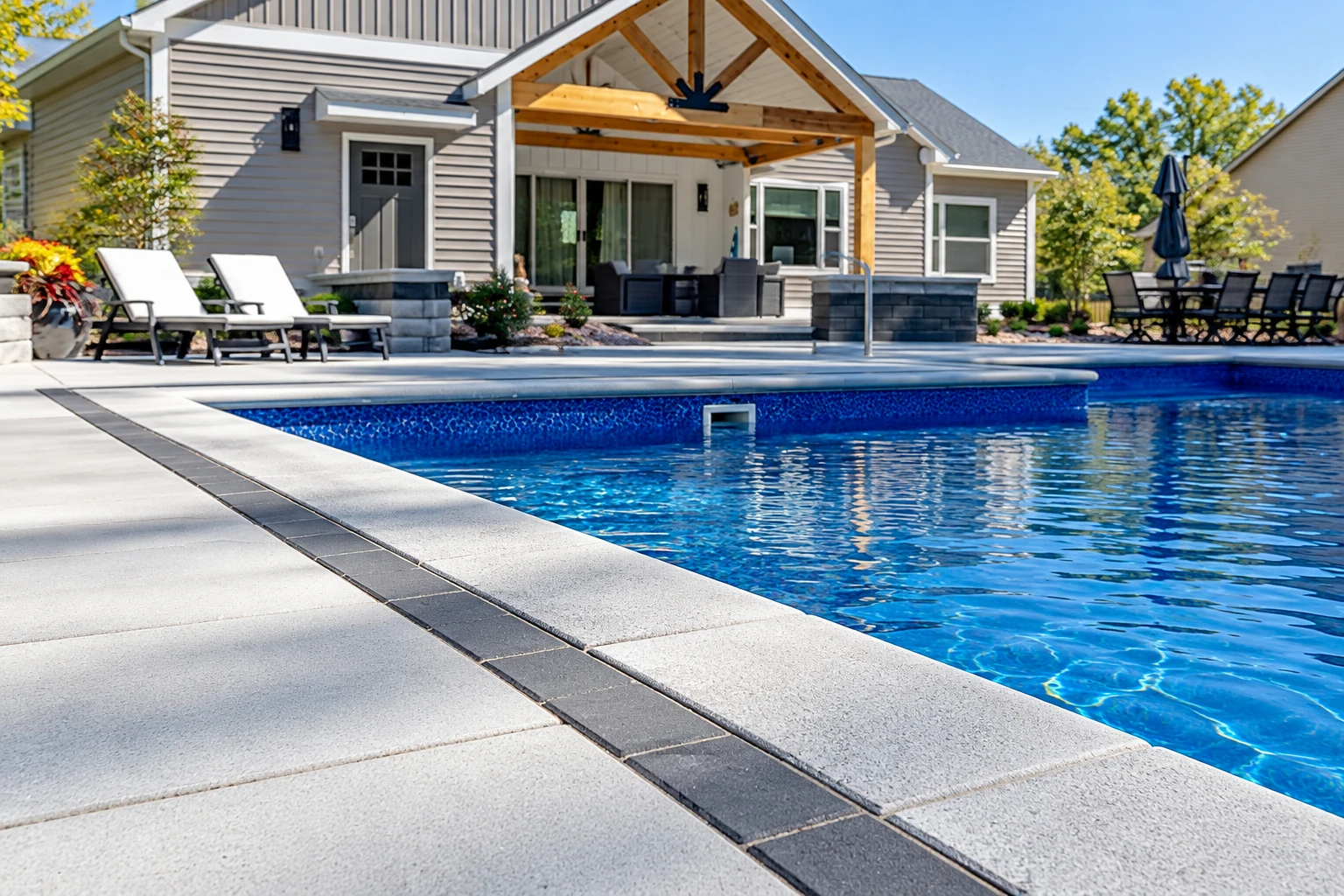
Concrete floor installation in Santa Maria, CA means placing, finishing, jointing and curing a floor slab so it wears well bare or takes a covering or coating later. Most calls start with an old floor that's cracked, dusty or out of level, or with a new room or shop that needs a slab done right.
The size of the floor, how much digging and base work it needs, and whether a covering goes on top move the price most. The schedule turns on getting into the space, any permit the job needs and the cure before the room goes back into use. Your written estimate shows where your floor lands. I care most about the parts nobody sees later, like the base, the joints and the cure, because that's where a floor holds up or doesn't.
What our concrete floor installation covers
- I walk every job. I come out to look at every job myself, and our own crew does the forming, pouring and finishing, so the plan I make on site is the plan we pour.
- Flatwork since 2017. We've been at this since 2017, and we're best known for flatwork, the flat slabs you walk or drive on, that comes out straight and holds up.
- Licensed and insured in California. We're licensed and insured, and when a job needs a permit, the city or county gets our signed statement with our license number on it.
- Moisture barrier planned first. If a covering goes down later, we talk through where the moisture barrier sits before we pour, because that choice is hard to change once the concrete is in.
- Finishing and joint cuts on time. We watch the finishing and the control joints, saw cuts that split the slab into panels, because poor timing there leaves cracks, a soft top and high or low spots.
What goes wrong with concrete floors
| Problem | What it looks like | Usual fix |
|---|---|---|
| Cracks across the floor | What it looks like: Lines running across the slab that widen or catch chair legs | Usual fix: New slab with joints cut where cracks should go |
| Dusty, soft surface | What it looks like: Powder on your shoes and a top that chips or wears away | Usual fix: New pour finished and cured at the right time |
| Uneven or sinking slab | What it looks like: Furniture rocks, one side sits lower, water pools in a corner | Usual fix: Break out, dig out and pack the base, then repour |
| Covering coming loose | What it looks like: Tile popping, flooring cupping or a coating peeling up | Usual fix: New slab with the moisture barrier planned for the covering |
Fix it, patch it or pour new
- Leave the slab. When the floor is level and sound and the cracks stay tight, sealing them and keeping the slab is often the honest answer, and I'll tell you so.
- Replace one section. If one area has sunk or broken up, we can saw it out with concrete cutting and pour that part new against the old slab.
- Pour a new floor. When the floor is cracked across, out of level or getting a new covering, a full new slab on a packed base is the fix I'd pick.
How we plan and pour your floor
- Call or send the form. You call (805) 268-7763 or send the form, and we get back to you to set a time for me to see the site.
- Site visit and estimate. I measure, look at the ground and how we'll get concrete in, and send a written estimate that lists each part of the job.
- Permits handled. Once you say go, we take care of any permit, and in Santa Maria the city's Building Division checks that the job follows the approved plans.
- Base and forms. We dig out and pack the subgrade, the ground the slab sits on, then set the forms and walk them with you before the pour.
- Pour, finish and cure. We pour, finish and cut the joints on time, keep the slab curing, the slow hardening that gives concrete its strength, and clean up.
Keeping your floor sound for years
A floor stays sound because of what went in before and right after the pour, a packed base, joints cut on time and a slow cure. If the budget gets tight, I'd rather trim the finish work than the base, because nobody sees the base on day one and it's what keeps the slab from settling.
We pour floors, concrete steps and pool decks for homeowners and small property owners in Santa Maria and the cities around it, from southern San Luis Obispo County down to Lompoc and Buellton. If your floor is next, ask for an estimate and I'll come take a look.
Tell us about your floor
Send the floor size in square feet and any covering you plan, and we'll reply within one business day to set a time for me to come out.
(805) 268-7763- Free estimate at your property
- No obligation to go ahead
- Every part written out
Concrete floor questions we hear
How much does a concrete floor cost in Santa Maria?
One cost guide puts a concrete slab or pad in Santa Barbara at about $7 to $14 per square foot, and it shows a reinforced slab costing more than an unreinforced pad. That's the going rate in the area, not our price. Your written estimate shows what your own floor takes.
How soon can I walk on a new concrete floor?
A new slab should be walkable within 48 hours, according to the same cost guide, though concrete takes 28 to 30 days to fully cure. The guide suggests waiting a week before heavier loads go on it, so plan when furniture and equipment come back into the room.
Will my new concrete floor crack?
Some random cracking should be expected on any slab, even with joints close together, and industry guidance says reinforcement won't stop it. Rebar, the steel set inside the slab, keeps those cracks tight when it's sized and placed right, so compare how each bid handles it. Our work is backed by our satisfaction guarantee.
What license does a concrete contractor need in California?
Look for California's C-8 Concrete Contractor classification, which covers forming, pouring, placing, finishing and installing flat concrete work. The exemption for minor work only applies when the whole contract, labor and materials included, is under $500 and isn't part of a larger project. You can check a contractor's classification with the state licensing board.
Where should the moisture barrier go under a concrete floor?
For a floor that will get a covering or coating, industry guidance says the moisture barrier protects it most when it sits right against the slab. That keeps water from rain, saw-cutting, curing or cleaning from getting trapped in the fill underneath. Ask any contractor where theirs will go, and we'll settle it with you before we pour.