Concrete Sidewalk Building in Santa Maria CA - a walk that stays level and sheds water
Cracked, heaved or sinking walk out front? We pack the ground, check the slope and pour a sidewalk that's flat underfoot.
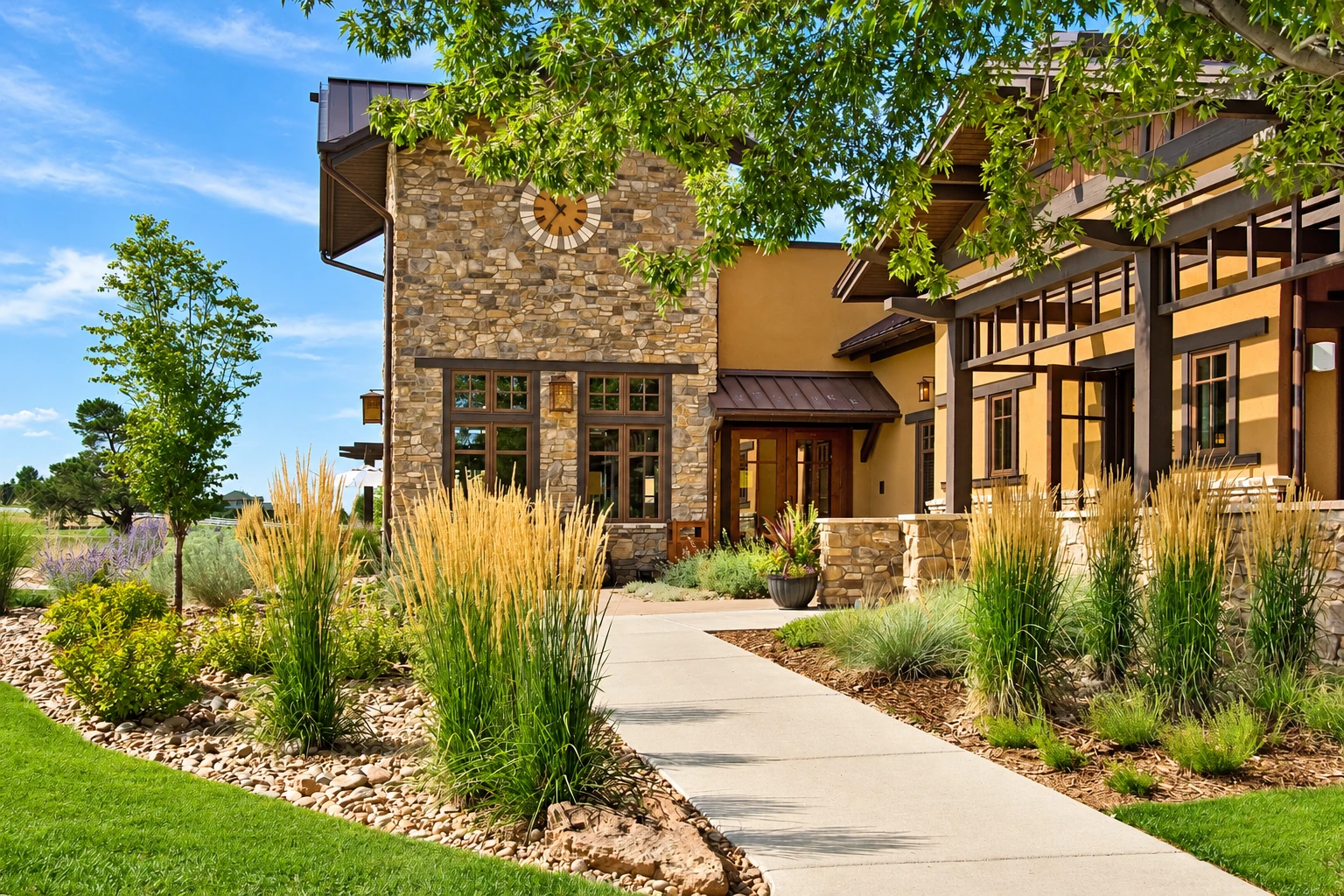
Most calls about concrete sidewalk building in Santa Maria, CA start with an old walk that's cracked, lifted at a seam or sunk where the dirt gave way. At J&D Santa Maria Concrete Company, we build new walks from the ground up, because the ground is usually what failed, not the concrete.
What moves the price is the walk's size, how much old concrete comes out, how much work the ground needs and the finish. That can be a plain broom finish, the light texture that gives shoes grip in the wet, or something from our decorative concrete work. The schedule turns on the permit, since a walk along the curb needs the city's sign-off before we pour, and we handle that application. Your written estimate breaks it all out.
How we build a concrete sidewalk
- I see every job first. I come out to look at every sidewalk job myself, because the walk has to fit your yard, your curb and where the water goes. We've been in business since 2017.
- Packed, firm ground. Our own crew packs the subgrade, the dirt the slab sits on, until it's firm, so the walk doesn't settle later with loose fill.
- Slope checked in the forms. Before the concrete comes, I look over the form slope, because a walk that tips toward the house sends rain at your foundation. Slope is easy to fix in the forms.
- Joints cut, then cured. We cut control joints, grooves that give the slab a chosen place to crack. Then we let it cure, the slow wait while it hardens before anyone uses it.
- Licensed and insured in California. We're licensed and insured. California only lets unlicensed people do minor jobs under $1,000 that need no permit and no employees, so a permitted walk is licensed work.
What goes wrong with old walks
| Problem | What it looks like | Usual fix |
|---|---|---|
| Sunken sections | What it looks like: One panel sits lower than the next and catches toes | Usual fix: Remove it, pack the ground firm, pour new |
| Random cracks | What it looks like: Cracks run across the walk away from the grooves | Usual fix: Replace with control joints cut on time |
| Water pooling | What it looks like: Puddles sit on the walk or run toward the house | Usual fix: Re-form with the slope checked, then repour |
| Flaking, dusty top | What it looks like: Surface chips, scales or leaves grit on your shoes | Usual fix: Tear out and repour, finished and cured properly |
Fix a section or redo the walk
- Replace a panel. When one or two sections have sunk or broken and the rest sit flat, we cut out just those and pour new ones on packed ground.
- Redo one stretch. This suits a walk that's failing along one run, like below a downspout or beside a tree, so we fix what's under it and replace that length.
- A whole new walk. Best when cracks and low spots run end to end, because patching over a failing base just moves the trouble. I'll tell you straight if a smaller fix will do.
How a sidewalk job runs
- Call or send the form. Call (805) 268-7763 or use the form and tell us about the walk. We get back to you to set a time for me to see it.
- I measure and write it up. I measure, look at the ground and the access, and send a written estimate that lists each part of the job.
- Permit and forms. Once you say go, we take care of any permit work, set the forms, the boards that shape the walk, and look them over with you.
- Pour, finish and cure. We pour, finish and cure it right, then clean up. Keep everyone off the new walk until we say it's ready, since it's still hardening.
What keeps a new sidewalk sound
What keeps a walk sound is the ground under it staying firm and dry, so keep downspouts and sprinklers aimed away from the edges. If the budget's tight, I'd rather you skip a fancy finish than cut the base, because nobody sees the base until it fails. That base-first habit carries over to every garage floor we pour.
Most of our calls come from homeowners and small property owners in Santa Maria. We do the same work across the valley, from Nipomo and southern San Luis Obispo County down through Orcutt to Lompoc and Buellton. Call or use the form to ask for an estimate.
Tell us about your walk
Send the walk's rough length and width and a few photos of the curb area. We reply within one business day to set a time for me to come out.
(805) 268-7763- Free estimate at your property
- Written out line by line
- No obligation to go ahead
Sidewalk questions from Santa Maria owners
Is the sidewalk in front of my house in Santa Maria in the right-of-way?
Usually, yes. The city's right-of-way is typically a public strip several feet wide on your own lot next to the curb, and the public sidewalk normally sits inside it. The city has its own standards for sidewalks there, so we check with the city first about what's allowed.
Do I need a permit to build a sidewalk in Santa Maria?
Yes, for any walk in the public right-of-way, Santa Maria requires an encroachment permit, its sign-off for work on public land, issued through the Public Works engineering office. If the job will affect traffic or people walking by, the city also wants a traffic control plan. We handle the application and set up the inspections.
How much does a new concrete sidewalk cost?
Across the US, installing a concrete sidewalk usually runs about $12 to $14 per square foot. That's a national figure, not our price. Your own number comes from the written estimate after I measure, with each part listed so you can see what's included.
Why do concrete sidewalks sink or settle?
Most sidewalks settle because of the ground under them, not the concrete. Santa Barbara County soil mostly rates low for swelling and shrinking, but a walk can still settle from poor drainage, tree roots drawing out moisture or dirt that was never packed well. That's why we pack the ground firm on every walk.
What should I ask a sidewalk contractor before they pour?
Ask how they'll prepare the ground and whether they check the forms before the concrete comes. Caltrans guidance for state projects calls for watering and compacting the ground, removing or drying soft spots, and checking the forms for size and slope, because work that misses has to be fixed or torn out. A good contractor answers both plainly.